

Black and white photography ideas focus on maximizing visual impact through tonal contrast, surface textures, and directional lighting. To create professional monochrome images, prioritize high-contrast scenes, utilize "Rembrandt lighting" for depth, and emphasize geometric patterns. Using a camera's monochrome mode allows for real-time visualization of luminance without color distraction.
What is Black And White Photography?
Black and white photography is an achromatic visual medium that utilizes a spectrum of grey tones—ranging from absolute black to pure white—to define form. Unlike color photography, these concepts prioritize tonal separation and luminance contrast over hue and saturation.
By removing the distraction of color, a photographer highlights the fundamental structural elements of a scene. This includes the play of light on a subject, the repetition of architectural shapes, and the raw emotional weight of human expressions.
Why is Monochrome Important in 2026?
Monochrome photography serves as a sophisticated alternative to the over-saturated look of modern digital filters. It provides a "clean," high-contrast aesthetic that is highly effective for Google Discover and visual storytelling.
As AI-generated imagery becomes more prevalent, the organic feel of black and white photography stands out. It signals authenticity and high-quality EEAT (Experience, Expertise, Authoritativeness, and Trustworthiness) by focusing on the photographer's technical control over light and shadow.
Read also: Creative Ideas for Long Exposure Photography at Night
Key Benefits of Black and White
- Enhanced Composition: Forces the mastery of leading lines, symmetry, and the "Rule of Thirds" without color interference.
- Emotional Resonance: Removes visual "noise," allowing the viewer to connect directly with the mood and subtext.
- Lighting Versatility: Harsh midday shadows that typically ruin color shots often create dramatic, professional monochrome art.
- Universal Application: Works seamlessly across all genres, including street, wildlife, and family portraits.
Technical Workflow: How to Execute
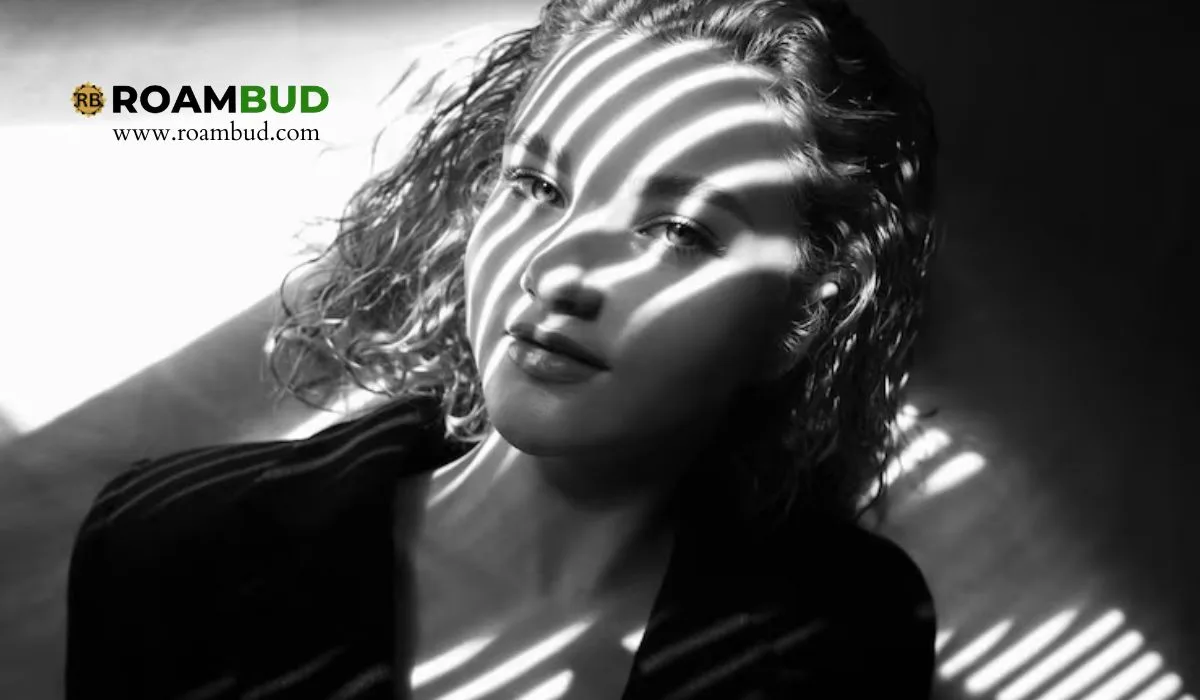
To implement these ideas, look for Chiaroscuro—the bold interplay between light and dark areas. Use a low ISO setting to maintain image clarity and prevent shadow banding, unless you are intentionally seeking a vintage "filmic grain" aesthetic.
This approach helps beginners transition into a professional mindset. It trains the eye to evaluate a scene based on its "visual bones"—the underlying geometry and lighting—rather than surface-level colors.
Practical Use Cases and Examples
- Ideas at home: Capture the intricate texture of wrinkled linen or the steam rising from a cup of tea against a dark, shadowed background.
- Photo ideas for girls: Utilize backlighting (rim lighting) to create a "halo" effect, adding a dreamy, ethereal quality to the portrait.
- Photo poses for boys: Focus on low-key lighting, where only a specific portion of the face is illuminated to highlight strength and mystery.
Common Myths and Technical Errors
A major myth is that black and white is "easier" than color. In reality, it requires superior lighting skills because you cannot hide poor composition behind vibrant colors. A common mistake is producing "flat" or "muddy" images where the histogram is bunched in the middle. A high-quality monochrome shot should almost always feature at least one point of true black and one point of true white.
Expert Insights and Facts
Professional photographers recommend using a 50mm prime lens for monochrome work. It provides a natural perspective similar to the human eye and offers a shallow depth of field that emphasizes textures. Data indicates that high-contrast black and white images often have a higher "stop-rate" on social media feeds, as they provide a sharp visual break from the colorful interface of most mobile apps.
Who Should Explore Monochrome?
This style is ideal for content creators, aspiring artists, and anyone looking to sharpen their technical photography skills. It is particularly effective for those working in cluttered environments where clashing colors might distract from the subject.
Read also: How To Capture Motion In Photography
Pros and Cons
|
Pros |
Cons |
|
Timeless, archival aesthetic |
Loss of specific color-based storytelling |
|
Highlights fine details and grain |
Demands precise exposure and light control |
|
Simplifies complex or messy scenes |
Can appear "gloomy" if underexposed |
FAQs
What are the best black and white photography camera settings?
Shoot in RAW format for maximum data, use a wide aperture (f/1.8 to f/2.8) for bokeh, and set your "Picture Style" to Monochrome for real-time visualization.
How do I improve my black and white composition?
Focus on finding "patterns and shapes." Look for repetitive shadows on the pavement or the leading lines created by a staircase.
Which editing software is best for black and white?
Adobe Lightroom and Photoshop are the industry standards, while specialized plugins like Silver Efex Pro offer superior film-emulation and grain control.
Final Verdict
Black and white photography is the ultimate test of a creator's ability to see light. By mastering the fundamentals of shadow and form, you produce images that are not just seen, but felt. It remains the gold standard for artistic expression in the modern age.